PsiloRexin: A Novel Gq-Biased 5-HT2A Receptor Agonist Platform for Olfactory Neuroregeneration and Beyond
Keywords: PsiloRexin, 5-HT2A Receptor, Gq-Biased Agonist, Neuroplasticity, Anosmia, Neuroregeneration, Psychoplastogen, Tryptamine, Olfactory Dysfunction, Non-Hallucinogenic
Author Background and Context
The design of PsiloRexin was developed following personal health challenges. After contracting COVID-19 in 2020, the author experienced a prolonged loss of smell and taste lasting nearly two years. This persistent sensory loss led to an independent inquiry into the biological mechanisms of olfactory dysfunction and the potential role of serotonin receptors in neural recovery. PsiloRexin is presented here as a theoretical compound based on these investigations. It represents a conceptual approach to 5-HT2A receptor modulation and is intended for preclinical and academic consideration. The compound has not been synthesized or studied in humans, and no clinical claims are made.
Abstract
The therapeutic application of serotonin 5-HT2A receptor agonists has been historically constrained by their hallucinogenic effects, despite their potential to induce neural plasticity. This article introduces PsiloRexin (4-hydroxy-5-tert-butyl-N,N-dimethyltryptamine), a conceptual chemical entity engineered as a Gq-protein biased agonist at the 5-HT2A receptor. This biased agonism is hypothesized to promote neuroplasticity and enhance Brain-Derived Neurotrophic Factor (BDNF) expression while avoiding the β-arrestin 2 signaling pathway associated with hallucinogenic experiences. A phosphate prodrug, PsiloRexin-Phosphate, is proposed for efficient intranasal delivery and enzymatic conversion to the active molecule. The primary therapeutic application proposed for the PsiloRexin platftform is post-viral anosmia, a condition of significant unmet medical need. This article provides an overview of PsiloRexin's molecular design, its proposed mechanism of action, and a strategic approach for its potential clinical development as a neuroregenerative therapy. The central hypothesis is that PsiloRexin could decouple the neuroplastic benefits of 5-HT2A receptor activation from hallucinogenic effects.
1. Introduction
1.1 The Serotonin 5-HT2A Receptor as a Target for Neuroplasticity
The serotonin 2A (5-HT2A) receptor is a key mediator of neural plasticity. Activation of this receptor is known to promote synaptogenesis, dendritic growth, and the expression of critical neurotrophic factors, most notably Brain-Derived Neurotrophic Factor (BDNF).3 Compounds that elicit these effects, often termed "psychoplastogens," have shown therapeutic potential for neurological and psychiatric conditions, including depression and post-traumatic stress disorder (PTSD).1
1.2 Limitations of Traditional 5-HT2A Agonists
Despite the promise of 5-HT2A receptor agonists, the clinical utility of traditional serotonergic psychedelics, such as psilocybin, is impeded by their hallucinogenic effects. These perceptual alterations necessitate intensive patient monitoring and specialized clinical environments, creating barriers to widespread clinical adoption.10
1.3 Functional Selectivity at the 5-HT2A Receptor
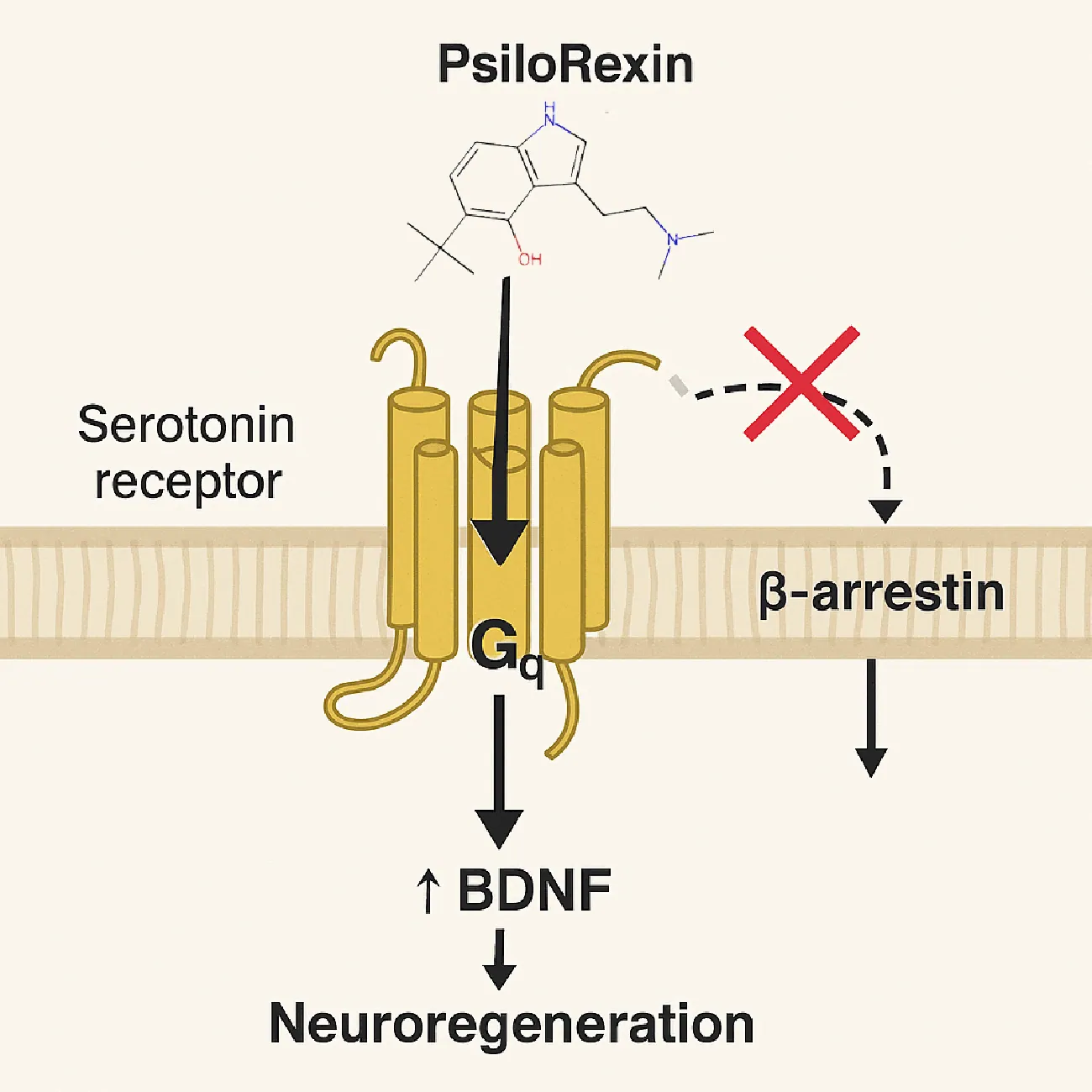
The 5-HT2A receptor can signal through at least two distinct intracellular pathways: a G-protein-coupled (Gq) pathway, associated with therapeutic neuroplastic effects, and a β-arrestin 2 pathway, which has been linked to hallucinogenic properties.1,5 This discovery of functional selectivity, or biased agonism, presents an opportunity to design ligands that preferentially activate one pathway, thereby isolating desired therapeutic effects.9
1.4 PsiloRexin: A Candidate Non-Hallucinogenic Psychoplastogen
PsiloRexin is a conceptual compound designed to act as a non-hallucinogenic psychoplastogen. It aims to retain the neuroplasticity-promoting effects mediated by Gq signaling while avoiding the β-arrestin 2 pathway. Its development is a direct application of advanced pharmacological insights to address a critical limitation in the use of psychoplastogens.
1.5 Focus on Post-Viral Anosmia
The initial proposed therapeutic target for PsiloRexin is post-viral anosmia. The olfactory system possesses a notable capacity for regeneration, making it an ideal target for a neuroregenerative agent.10 This focused application provides a clear biological rationale and a defined clinical pathway for evaluating PsiloRexin's potential efficacy.
2. Molecular Design and Properties
2.1 Rationale for Molecular Design
The objective in designing PsiloRexin was to selectively engage the Gq-mediated signaling cascade at the 5-HT2A receptor. The molecular architecture is a strategic modification of psilocin (4-hydroxy-N,N-dimethyltryptamine), a known 5-HT2A agonist.4
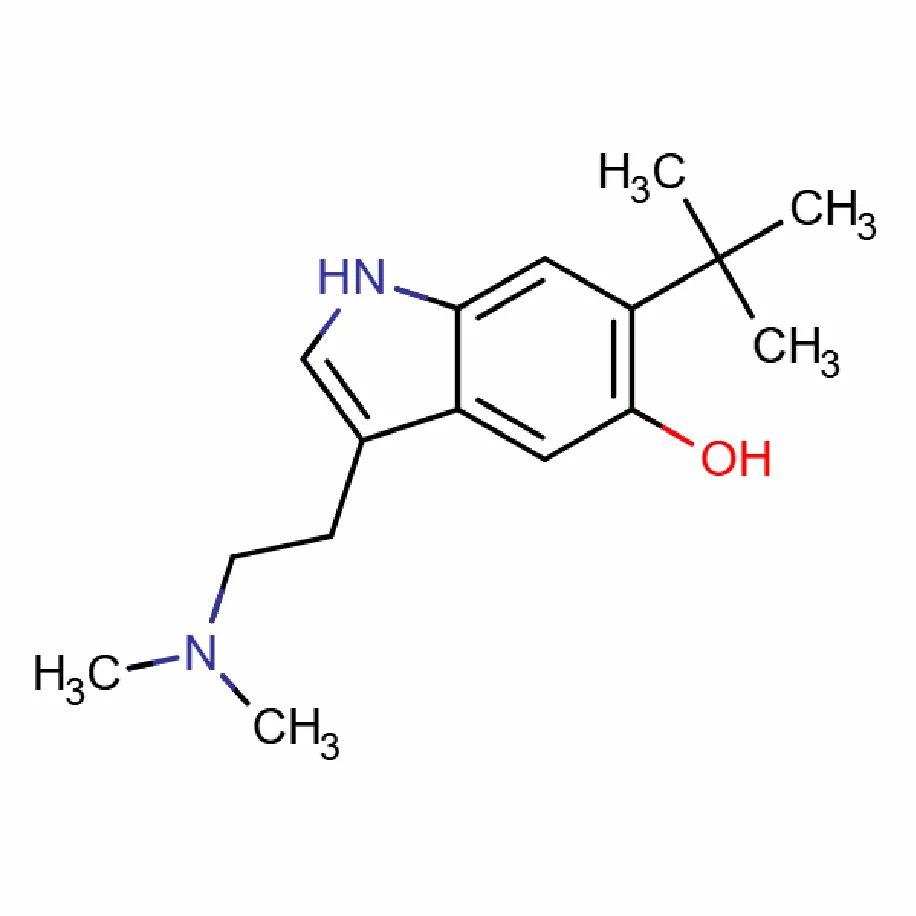
PsiloRexin (Active Form)
- PsiloRexin (4-hydroxy-5-tert-butyl-N,N-dimethyltryptamine)
- Molecular Formula: C₁₆H₂₄N₂O
- SMILES: CN(C)CCC1=CNC2=C1C(O)=C(C(C)(C)C)C=C2
- Molar mass: 260.381 g/mol
- Exact mass: 260.188863401 Da
- Composition C (73.81%), H (9.29%), N (10.76%), O (6.14%)
Key structural features include:
- Retention of the 4-hydroxy group: Critical for high-affinity binding to the 5-HT2A receptor.4
- Introduction of a bulky tert-butyl group at the 5-position: This substitution is hypothesized to be the cornerstone of its Gq-bias. The steric bulk is anticipated to selectively hinder the receptor from adopting the conformation required for β-arrestin 2 recruitment, without significantly impairing Gq protein coupling.5
PsiloRexin-Phosphate (Prodrug Form)
- (4-phosphoryloxy-5-tert-butyl-N,N-dimethyltryptamine)
- Molecular Formula: C₁₆H₂₅N₂O₄P
- Molar mass: 340.36 g/mol
- Exact mass: 340.155194291 Da
- SMILES: CN(C)CCC1=CNC2=C1C(OP(=O)(O)O)=C(C(C)(C)C)C=C2
- Composition C (56.46%), H (7.40%), N (8.23%), O (18.80%), P (9.10%)
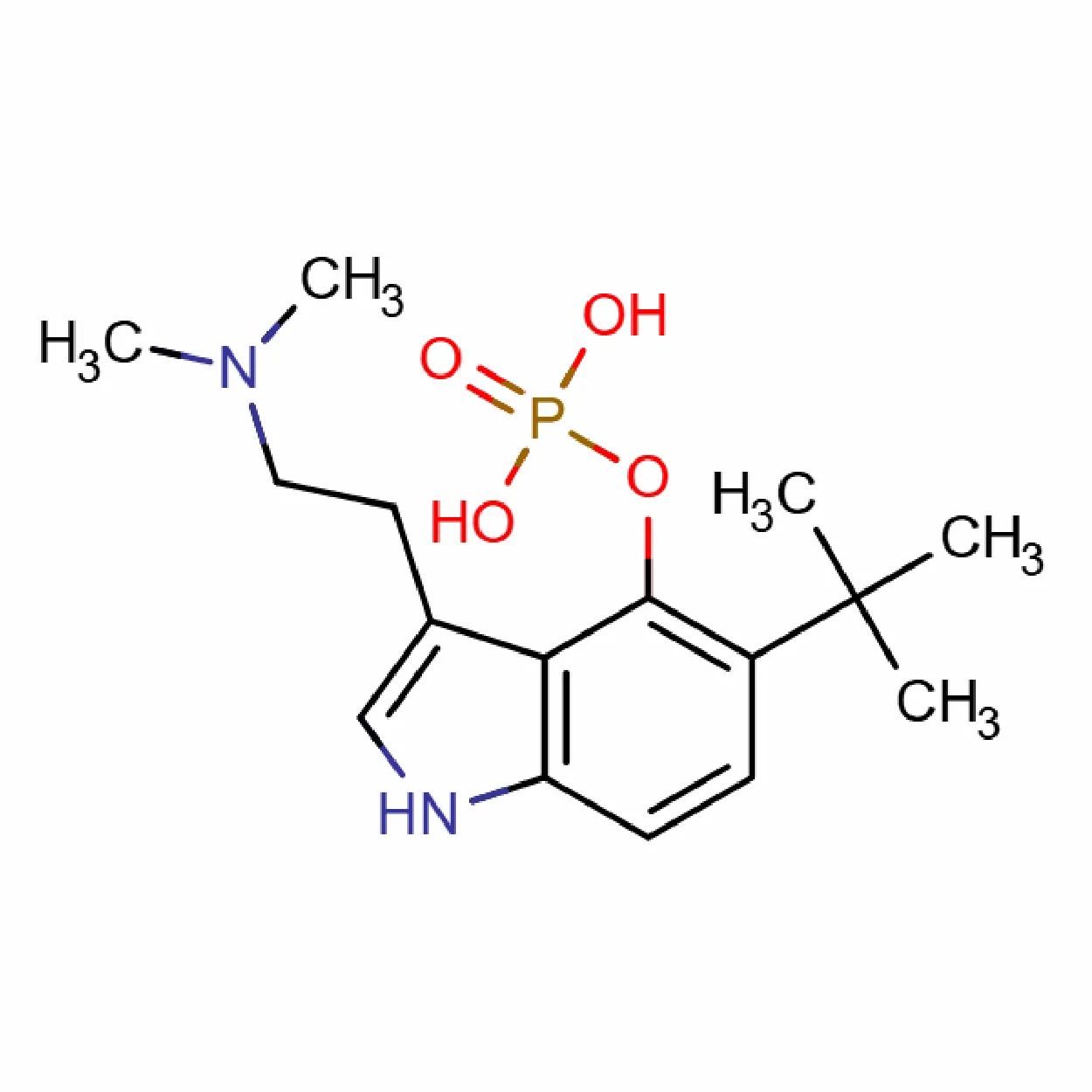
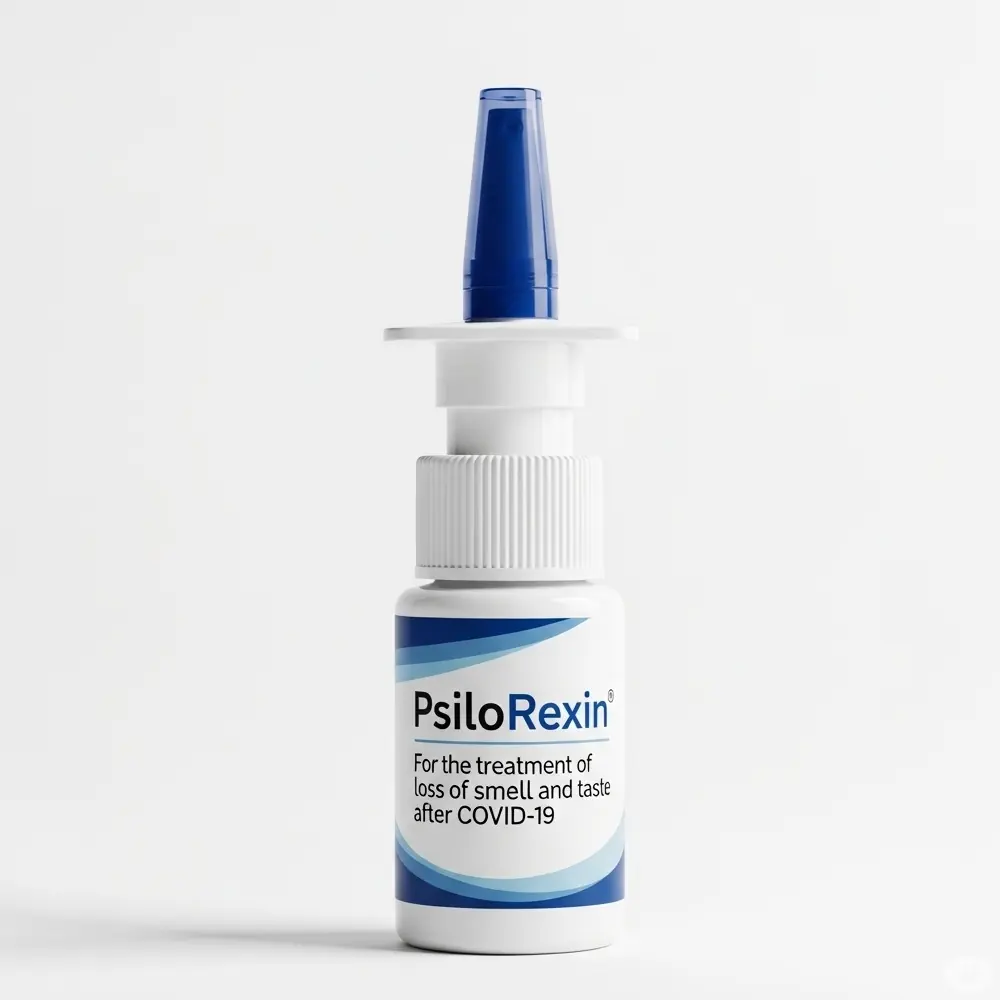
To enhance its clinical utility, PsiloRexin has been conceptualized as a phosphate prodrug. The introduction of a phosphate ester significantly increases water solubility and stability, making it suitable for aqueous formulations like a nasal spray. Upon administration, endogenous alkaline phosphatase enzymes are expected to cleave the phosphate group, releasing the active PsiloRexin molecule.4
| Feature | PsiloRexin (API) | PsiloRexin-Phosphate (Prodrug) |
|---|---|---|
| Chemical Name | 4-hydroxy-5-tert-butyl-N,N-di methyltryptamine | 4-phosphoryloxy-5-tert-butyl -N,N-dimethyltryptamine |
| Molecular Formula | C₁₆H₂₄N₂O | C₁₆H₂₅N₂O₄P |
| Monoisotopic Mass | 260.189 Da | 340.155 Da |
| Key Characteristics | Lipophilic, active form | Water-soluble, prodrug |
| Hypothesized Role | Gq-biased 5-HT2A agonism, neuroplasticity | Enhanced stability & solubility, in vivo conversion |
3. Proposed Pharmacological Profile
3.1 Primary Target: 5-HT2A Receptor Gq-Biased Agonism
PsiloRexin is engineered to function as a Gq-protein biased agonist at the 5-HT2A receptor. Upon binding, it is proposed to preferentially initiate the Gq signaling cascade, leading to the activation of phospholipase C (PLC) and downstream cellular responses believed to underpin neuroplastic effects.7
3.2 Avoidance of β-Arrestin 2 Recruitment
A defining characteristic of PsiloRexin's design is its intended minimal recruitment of the β-arrestin 2 signaling pathway, which has been implicated in the hallucinogenic effects of classical psychedelics.2 By selectively avoiding this pathway, PsiloRexin aims to decouple therapeutic effects from perceptual alterations.
3.3 Interactions with Other Serotonin Receptors
PsiloRexin is also hypothesized to exhibit partial agonist activity at 5-HT2C and 5-HT1A receptors. Partial agonism at 5-HT1A receptors is well-established to mediate anxiolytic and antidepressant effects, which could complement the primary neuroplastic effects.
3.4 Downstream Effects: Neuroplasticity
The preferential Gq signaling is expected to result in the upregulation of BDNF and the promotion of structural plasticity, including the growth of dendritic spines and an increase in synapse number. These effects form the basis of PsiloRexin's potential in conditions like anosmia.
4. Proposed Therapeutic Application in Olfactory Neuroregeneration
4.1 Post-Viral Anosmia
Post-viral anosmia, the loss of smell following infection, often results from damage to the olfactory neuroepithelium.8 The COVID-19 pandemic has increased the prevalence of this condition. Current treatments often show limited efficacy, highlighting the need for novel interventions.
4.2 The Olfactory System's Regenerative Capacity
The olfactory epithelium possesses a significant and lifelong capacity for neurogenesis, with olfactory sensory neurons (OSNs) continuously replaced from a local population of stem cells.11 This inherent plasticity makes it a suitable target for therapies designed to augment neurogenesis.
4.3 Therapeutic Hypothesis
The therapeutic strategy for PsiloRexin in anosmia is based on its neuroregenerative properties and a targeted delivery approach.
- Targeted Delivery: The PsiloRexin-Phosphate prodrug is designed for intranasal administration. Local enzymes would cleave the phosphate group, releasing active PsiloRexin at the site of damage.
- Localized Action: PsiloRexin would act on 5-HT2A receptors present on olfactory stem and progenitor cells, stimulating neurogenesis and promoting the functional recovery of the damaged tissue.12,13 The accessibility of these receptors via intranasal delivery supports the hypothesis for localized action.14
4.4 Conceptual Nasal Spray Formulation
A potential formulation for intranasal delivery is proposed. A 10 mL vial might contain:
- PsiloRexin-Phosphate: 20 mg
- Sterile Saline (0.9% NaCl): 9.8 mL
- Phosphate Buffer: 0.1 mL (to maintain a target pH of ~6.0–6.5, suitable for the nasal cavity)
- Optional Excipients: A mucoadhesive polymer (e.g., HPMC) to prolong retention and a preservative.
Preparation would involve dissolving the components in sterile water, filter-sterilizing the solution, and dispensing it into calibrated nasal spray bottles.
5. Proposed Preclinical and Clinical Development Pathway
A comprehensive preclinical and clinical program would be necessary to evaluate PsiloRexin.
- Preclinical Validation: This would include Chemistry, Manufacturing, and Controls (CMC) for the API and prodrug; in vitro studies to validate the Gq-bias and assess off-target activity; and in vivo studies in animal models of anosmia to demonstrate proof-of-concept.15,16 Formal GLP toxicology studies would be required to establish a safe starting dose for human trials.18
- Clinical Development: A phased approach would be taken.
- Phase 1: In healthy volunteers, to assess safety, tolerability, pharmacokinetics, and, critically, to confirm the absence of psychedelic effects using validated psychometric scales.
- Phase 2: In patients with persistent post-viral anosmia, to establish proof-of-concept for efficacy and determine optimal dosing. The primary endpoint would likely be change in an objective measure of olfactory function, such as the University of Pennsylvania Smell Identification Test (UPSIT).
- Phase 3: Larger, multicenter, randomized, placebo-controlled trials to confirm efficacy and safety, which would form the basis for a New Drug Application (NDA).
6. Discussion and Future Directions
The primary conceptual advantage of PsiloRexin is its proposed non-hallucinogenic profile. This could allow for wider clinical adoption, more flexible dosing regimens, and improved patient acceptance compared to traditional psychoplastogens.
If the underlying hypothesis is validated, the PsiloRexin framework could be investigated for other conditions characterized by neuronal damage or impaired plasticity, such as age-related cognitive decline or as an adjunctive therapy in early-stage neurodegenerative diseases. The anti-inflammatory effects of some 5-HT2A agonists also suggest potential applications in neuroinflammatory conditions.22
Future research should include detailed mechanistic studies to confirm the steric hindrance model for Gq-bias, optimization of formulations for different CNS indications, and investigation in animal models of other relevant disorders.
7. Conclusion
PsiloRexin is a conceptual, Gq-protein biased agonist of the serotonin 5-HT2A receptor. Its molecular design is hypothesized to promote therapeutic neuroplasticity while avoiding the hallucinogenic effects associated with earlier serotonergic compounds. The initial proposed clinical application is for post-viral anosmia, delivered as a phosphate prodrug via nasal spray. Should this conceptual framework be validated through rigorous preclinical and clinical investigation, it could represent a significant advancement in developing targeted and safer therapies for a range of neurological and psychiatric conditions.
8. Declarations
- Competing Interests: The author declares no competing interests. The conceptualization of PsiloRexin is based on a review of publicly available scientific literature.
- Funding: This work was not supported by any external funding.
9. Contact
Author: Seyedrasool Sadrieh Los Angeles, California Email: rasool.sadrieh@gmail.com
10. References
- Carhart-Harris, R. L., & Goodwin, G. M. (2017). The Therapeutic Potential of Psychedelic Drugs: Past, Present, and Future. Neuropsychopharmacology, 42(11), 2105–2113.
- Roth, B. L., & Chuang, D. M. (1987). Multiple serotonin receptors: criteria for their identification and classification. Life sciences, 41(10), 1321-1332.
- Ly, C., et al. (2018). Psychedelics promote structural and functional neural plasticity. Cell reports, 23(11), 3170-3182.
- Wacker, D., et al. (2017). Crystal structure of an LSD-bound human serotonin receptor. Cell, 168(3), 377-389.
- Kim, S., Kim, E., & Yoon, S. (2021). Recent Update on Biased Agonism at Serotonin 5-HT2A Receptors. International Journal of Molecular Sciences, 22(5), 2345.
- Venkatesh, D., & Duman, R. S. (2020). BDNF and Neurotrophic Factors in the Action of Antidepressants. Neuroscience, 429, 123-138.
- Serotonin 2A (5-HT2A) Receptor Function: Ligand-Dependent Mechanisms and Pathways. (2007). In The Serotonin Receptors: From Molecular Pharmacology to Human Therapeutics. NCBI Bookshelf.
- Butt, M. U., Khattak, M. I., & Omar, M. N. (2020). Olfactory dysfunction in COVID-19: A systematic review. Chemical Senses, 45(9), 835-845.
- Kenakin, T. (2017). Biased Receptor Signaling in Drug Discovery. Pharmacological Reviews, 69(3), 265-315.
- Madsen, M. K., et al. (2019). Psilocybin-induced mystical experiences linked to lasting positive psychological effects. European Neuropsychopharmacology, 29(4), 469-480.
- Brann, J. H., & Firestein, S. J. (2014). A lifetime of neurogenesis in the olfactory system. Frontiers in neuroscience, 8, 182.
- Hardy, A. P., et al. (2007). Differential serotonergic modulation across the main and accessory olfactory bulbs. Journal of neurophysiology, 98(3), 1589-1605.
- Petzold, G. C., et al. (2009). Serotonin increases synaptic activity in olfactory bulb glomeruli. The Journal of neuroscience, 29(16), 5347-5357.
- Intranasal delivery of shRNA to knockdown the 5HT-2A receptor enhances memory and alleviates anxiety. (2023). PubMed Central.
- Berg, K. A., et al. (1998). Methimazole-induced damage in the olfactory mucosa: effects on ultrastructure and glutathione levels. Brain research, 793(1-2), 12-22.
- Alberts, J. R., & Galef, B. G. (1973). Zinc sulphate-induced anosmia eliminates the avoidance response to male mouse urine. Chemical Senses, 2(1), 129-131.
- PubChem. Compound Summary for CID 4980, Psilocin.
- Dinis-Oliveira, R. J. (2017). Toxicology and analysis of psychoactive tryptamines. International journal of clinical and laboratory medicine, 4(2), 1-13.
- PubChem. Compound Summary for CID 10624, Psilocybin.
- Ly, C., et al. (2021). A non-hallucinogenic psychedelic analogue with therapeutic potential. Nature, 589(7843), 474-479.
- Hopkins, C., & Kumar, N. (2020). Loss of sense of smell as marker of COVID-19 infection. ENT UK.
- Nau Jr, F., et al. (2013). Serotonin 5-HT2A receptor activation blocks TNF-α-mediated inflammation in vivo. PloS one, 8(10), e75426.
First published . Last revised . Also on Google Docs.